
QUALITY CHIMNEY LINER SOLUTIONS

Chimney Liners

Lindemann has been a pioneer in chimney relining since the 70s. Today, to control quality we manufacture chimney liners in Lake Bluff, IL. We test them at Underwrites Laboratories in Northbrook, IL. We have the most experienced installers in the entire country. Second to none, chimney lining is our specialty.

Schedule Appointment
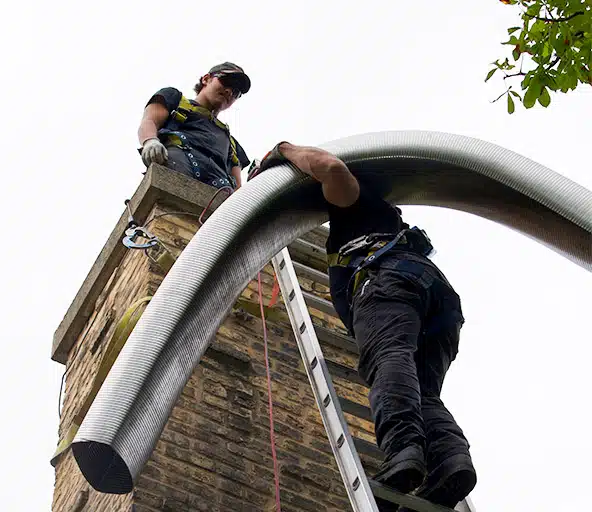
chimney liner

A Service Company You Can Trust

Years of Experience

Customers Served

Repair or Replace?

Installing or Replacing Chimney Liners

The chimney liner is what keeps heat, smoke, and flames safely contained within your chimney, preventing dangerous structure fires. For your fireplace to operate safely and efficiently, the liner must be in good condition and free of cracks or damage.

In some cases, a damaged liner can be repaired if the issue is minor. A certified chimney technician should inspect the chimney to determine whether a simple repair or a full replacement is needed.

Stainless steel chimney relining is the most common and cost-effective solution for restoring a damaged liner. When installed and maintained properly, a stainless steel liner can provide a lifetime of safe fireplace use.
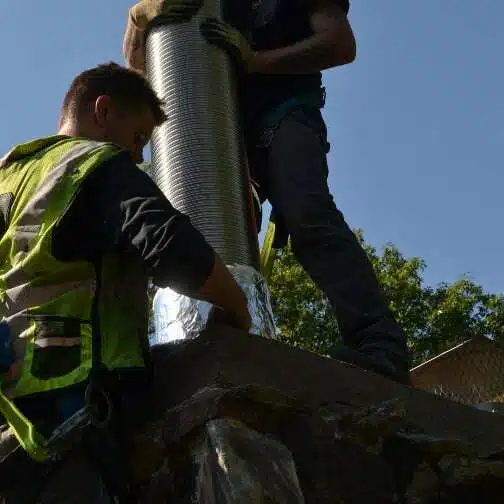
chimney liners for wood burning fireplace

Wood-Burning Chimneys

Wood-Burning Fireplace Chimney Liners

Wood-burning fireplace liners are designed to protect the surrounding structure of the chimney and home from the high temperatures generated by the fire. The most common materials used to construct wood-burning fireplace liners include clay tile, cast-in-place concrete, and stainless steel.

Clay tile

Clay tile liners are the most traditional and commonly used type of liner for wood-burning fireplaces. They are relatively inexpensive and easy to install.

Brick Flues

Considered an unlined chimney. We encounter this in older homes built before 1950. Safety concerns in the 1940s–1950s that highlighted the dangers of unlined chimneys, such as fire risks from heat transfer and creosote buildup. If your chimney “lining” is brick it needs to be repaired or replaced.

Stainless steel

Stainless steel liners are a popular choice for homeowners who want to retrofit their existing chimney with a liner. They are easy to install and provide excellent protection against corrosion and moisture.

Cast-in-place concrete

Cast-in-place concrete liners are and rare and expensive alternative to clay tile liners. They are created by pouring a special concrete mixture directly into the chimney, creating a seamless and durable liner.

Ceramic Coatings

This is a relatively new repair method that can fix minor damages within the flue. It can be used as a limited lifespan fix for a limited scope of circumstances.

Lindemann Focal Image

Should I Install A Stainless Chimney Liner?

Installing a stainless chimney liner is a great option. They are safe, energy efficient, affordable, and last a long time. However, it’s best to consult a professional to assess your current chimney and discuss your options in order to make the best decision.

Read Full Answer

Signs Of Disrepair

Signs A Liner Should Be Replaced

The decision to replace or repair a chimney liner depends on the condition of the existing liner and the extent of the damage. In general, a chimney liner should be replaced if:

  • The liner is severely damaged: If the liner has cracks, holes, or other significant damage that cannot be repaired, it may need to be replaced.
  • The liner is too old: If the liner is made of clay or other outdated materials, it may be time to replace it with a more modern liner made of stainless steel or another durable material.
  • The liner is improperly sized: If the existing liner is not the correct size for your appliance or chimney, it may not be able to perform its job properly and may need to be replaced.
  • The liner is not up to code: If your liner is not up to current building codes, it may need to be replaced to ensure the safety of your home.

Chimney Safety

Determining The Safety Of Your Chimney

When considering replacing your chimney liner or switching from a wood burning fireplace to gas logs, there are several things to look for to determine the safety and functionality of your chimney:

  • Symptoms of deterioration: Efflorescence due to moisture, damage to bricks along the roofline, and staining on the walls near the chimney can be signs of leaks, salt deposits, and other issues that can erode your chimney lining and cause damage to your home.
  • Blockages: Blockages in the furnace flue are extremely hazardous, as they can cause carbon monoxide fumes to enter your home. Blockages are a common problem with chimneys, regardless of the type of furnace fuel used.
  • Chimney fires: Chimney fires can destroy the integrity of the fireplace flue and lead to significant damage. Deterioration is often caused by age, moisture, and poor maintenance. Other sources of damage can include animals, lightning, and strong storms that cause damage that may not be noticeable without a professional inspection.

Our Process

How We Work With Customers

Our certified specialists assess your chimney and produce pictures, presenting in detail the reasons a fireplace liner may be a good investment for your home and peace of mind. We use the latest chimney scanning technology and other standard assessment tools.

Lindemann Service